In this guide5 sections
Lights flickering at home can be caused by a faulty LED bulb, a failing light driver, a dimmer compatibility issue or a problem with the electrical connections. Occasional flickering may have a simple explanation, but repeated or widespread changes in brightness can indicate an electrical fault that needs professional attention.
In Singapore homes, lighting problems can affect HDB flats, condominiums, landed properties and commercial premises. The most useful first step is to identify whether the problem affects one light, several lights in one room or the entire property. This helps narrow down the possible causes and determine whether a lighting component or the electrical installation needs inspection.
Common Causes of Flickering Lights
Could a Faulty LED Bulb or Light Driver Be the Problem?
One of the simplest explanations for lights flickering is a failing bulb or LED driver. LED lighting systems use electronic components to regulate the power supplied to the light source. If these components deteriorate or malfunction, the light may blink, pulse, dim unexpectedly or take longer than usual to turn on.
A bulb that flickers while the other lights remain stable may have reached the end of its useful life. A loose bulb or an unsuitable replacement lamp may also cause a problem, depending on the fitting design.
If the fitting uses a standard, user-replaceable bulb, you can switch off the light, allow it to cool and check whether the bulb is securely fitted. Replace it only if the fitting is designed for user replacement and you can do so safely. Choose a compatible replacement.
However, if a new bulb continues to flicker, avoid repeatedly replacing it without investigating the underlying problem.
Can Loose Wiring or an Electrical Connection Cause Flickering?
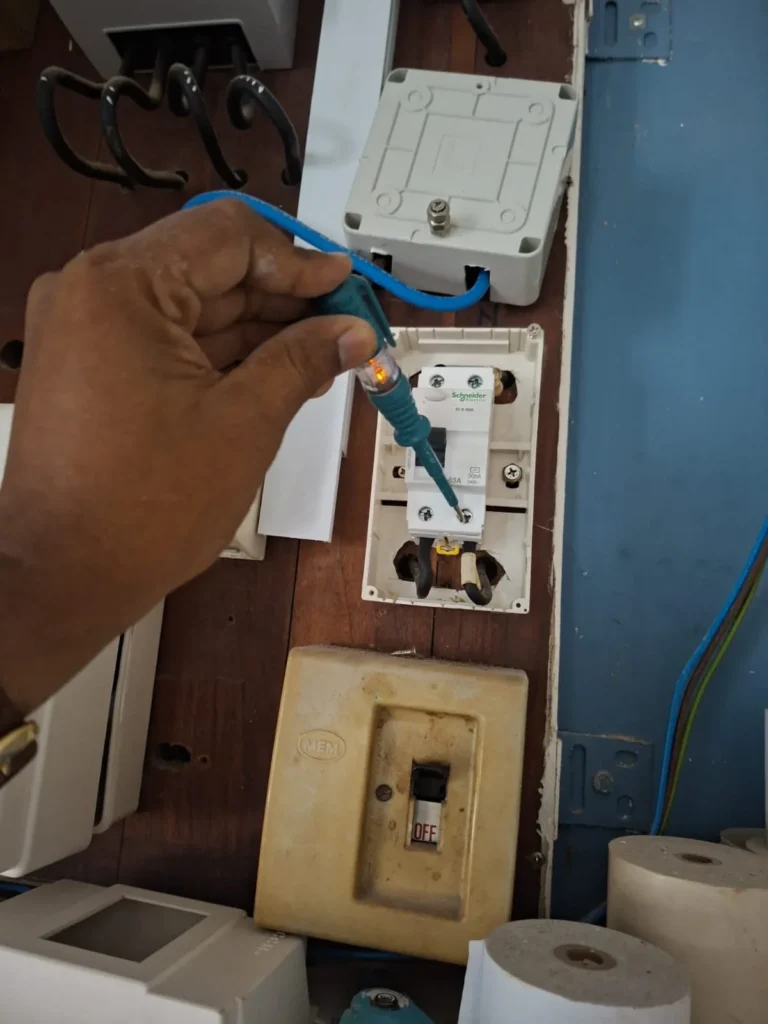
Yes. An unstable electrical connection can interrupt the power reaching a light fitting, causing intermittent flickering or changes in brightness. The problem may involve a switch, connection point, lighting circuit or another part of the electrical installation.
If several lights in the same room flicker together, a shared connection or circuit-related issue may be responsible. If lights throughout the home repeatedly dim or brighten, the problem may require a broader electrical assessment.
Warning signs such as buzzing, crackling, burning smells, scorch marks or unusually hot switches must not be ignored. An electrical connection that deteriorates can produce excessive heat and create a fire risk.
Homeowners can refer to the EMA Electrical Safety Guidance for official safety advice. The Energy Market Authority (EMA) advises consumers to engage Licensed Electrical Workers (LEWs) for electrical installation, maintenance and repair work.
Note
Flickering alone does not identify the exact fault. The number of lights affected and the presence of other warning signs help determine the appropriate next step, but a professional inspection may be needed to establish the cause.
Steps to Take When Your Lights Start Flickering
1. Identify Which Lights Are Affected
Observe whether the issue occurs with one bulb, several lights in the same room or lighting throughout the property.
If only one light flickers, the bulb, LED driver or fitting may be responsible. If several lights flicker together, a shared circuit, connection or supply-related issue may need investigation.
Note when the flickering happens. For example, record whether it occurs immediately after switching on a light, when a dimmer is adjusted or when a large appliance starts operating.
This information can help the electrician understand the pattern. Do not deliberately operate suspected faulty equipment to reproduce the problem.
2. Check the Bulb and Lighting Compatibility
If only one user-replaceable bulb is affected and there are no warning signs, check whether the bulb is suitable for its fitting. For LED lighting, compatibility matters when the installation uses a dimmer.
Some LED bulbs are not designed to work with dimmer switches. An incompatible combination can cause flickering, uneven brightness or difficulty turning the light on.
If you are replacing a bulb, follow the manufacturer’s instructions and use a suitable lamp. Do not open a ceiling fitting, remove an electrical cover or handle exposed wiring to investigate the issue.
If a new compatible bulb does not solve the problem, arrange a professional inspection instead of continuing to purchase replacements.
3. Arrange an Electrical Inspection if the Problem Persists
Contact a licensed electrician if the flickering continues, affects multiple lights or appears to originate from a switch, connection or electrical circuit.
The electrician can assess the lighting fittings, drivers, switches, dimmers, relevant connections and electrical supply as appropriate. The extent of testing depends on the symptoms and findings at the property.
The recommended solution may be straightforward, such as replacing a defective lighting component. Alternatively, the electrician may identify a loose connection, damaged wiring or another fault requiring electrical repair.
Ask for an explanation of the findings and a quotation for the recommended work before authorising repairs.
When Should You Call an Electrician for Flickering Lights?
You should arrange a professional inspection when lights repeatedly flicker without an obvious explanation, several lights are affected simultaneously or the problem continues after a suitable replacement bulb has been installed.
A single flickering bulb does not automatically mean that your home’s wiring is faulty. However, widespread flickering or changes in brightness across multiple circuits deserve closer attention.
Look out for the following warning signs:
- Several lights flicker or dim at the same time.
- Lighting problems continue after replacing a compatible, user-replaceable bulb.
- A switch or light fitting produces buzzing, crackling sounds or unusual heat.
- You notice burning smells, scorch marks, discoloured switches or damaged electrical fittings.
- The lights flicker whenever an appliance starts or when electrical loads change.
Safety
If you notice smoke, sparks, a burning smell or a hot or damaged switch, stop using the affected equipment and keep away from it. Do not open electrical fittings or attempt to tighten internal connections. Contact a licensed electrician for assessment. If there is an active fire or immediate danger, evacuate and contact the appropriate emergency services.
Does Flickering Mean Your Home Needs Rewiring?
Not necessarily. Flickering lights can result from a defective bulb, a failing LED driver, incompatible dimming equipment or a problem with an individual fitting. These issues may be resolved without rewiring the property.
However, repeated flickering across several lights, together with signs of damaged wiring or deteriorating connections, may indicate a more serious electrical issue.
In older HDB flats and properties undergoing renovation, an electrical assessment can help establish whether the existing wiring remains suitable for the property’s requirements. Rewiring may be recommended if the inspection identifies deterioration or faults that cannot be adequately addressed through localised repairs.
The decision should be based on the condition of the installation, not flickering alone. A licensed electrician can explain whether the appropriate solution is a lighting repair, a connection repair, a circuit-related correction or more extensive rewiring.
Comparison of Common Lighting Problems
| Option | Best for | Typical scope |
|---|---|---|
| LED bulb replacement | One replaceable bulb flickers and no other warning signs are present | Checking bulb compatibility and replacing the bulb safely |
| LED driver inspection | Integrated LED lighting flickers, pulses or fails intermittently | Assessing the driver and determining whether replacement is needed |
| Dimmer compatibility check | LED lights flicker when dimmed or at lower brightness | Checking lamp and dimmer compatibility |
| Electrical connection inspection | Several lights flicker together or switches show warning signs | Inspecting relevant connections, switches and wiring |
| Electrical circuit assessment | Flickering affects multiple lights or occurs alongside other electrical symptoms | Assessing the affected circuits and possible supply-related issues |
Frequently Asked Questions
Why are my lights flickering even after replacing the bulb?
If a suitable replacement bulb does not resolve the problem, the cause may be an incompatible dimmer, a faulty LED driver, a defective fitting or an electrical connection issue. A qualified electrician can inspect the relevant components and identify the cause.
Are flickering LED lights dangerous?
Not every flickering LED indicates a dangerous fault. A failing bulb or incompatible dimmer may cause the problem. However, flickering accompanied by heat, buzzing, burning smells, sparks or discolouration may indicate an electrical hazard and should be addressed promptly.
Why do several lights flicker at the same time?
When multiple lights flicker together, the issue may involve a shared circuit, electrical connection or supply-related problem. If several rooms are affected, professional assessment is advisable, particularly when the brightness changes repeatedly or other electrical problems occur.
Why does my LED light flicker when the switch is off?
An LED may occasionally glow or flash when switched off because of the characteristics of an illuminated switch, electronic switching equipment or small leakage currents. However, an incorrect switching arrangement or a wiring fault can also be responsible. Do not assume the fitting is safe to handle simply because the switch is off; arrange an inspection if the behaviour persists.
Can an incompatible dimmer cause lights to flicker?
Yes. Some LED bulbs and dimmers are incompatible, particularly when older dimming equipment is used with newer LED lamps. Check the manufacturer’s compatibility information before choosing replacement equipment. If the issue continues, an electrician can inspect the arrangement.
When should I contact an electrician in Singapore?
Arrange an inspection if flickering persists, several lights are affected or you suspect a wiring or connection problem. If there is smoke, sparking, a burning smell or excessive heat, keep away from the equipment and seek urgent professional assistance.
Need Help With Flickering Lights at Home?
If your lights keep flickering, BestVolt Contractors can help assess the lighting problem and recommend suitable next steps. Arrange a site survey to discuss faulty LED fittings, recurring lighting issues or suspected electrical wiring problems in your Singapore property.
This guide is general information and is not a substitute for professional inspection.